During a recent placement in the nuclear safety industry, I was involved in the verification and validation of an application developed to support annual shutdown procedures at nuclear power plants. The application — ATRE SW (Automatic Test Results Evaluation) — plays a critical role in ensuring that systems behave as expected during crucial test phases by automating the evaluation of signal data.
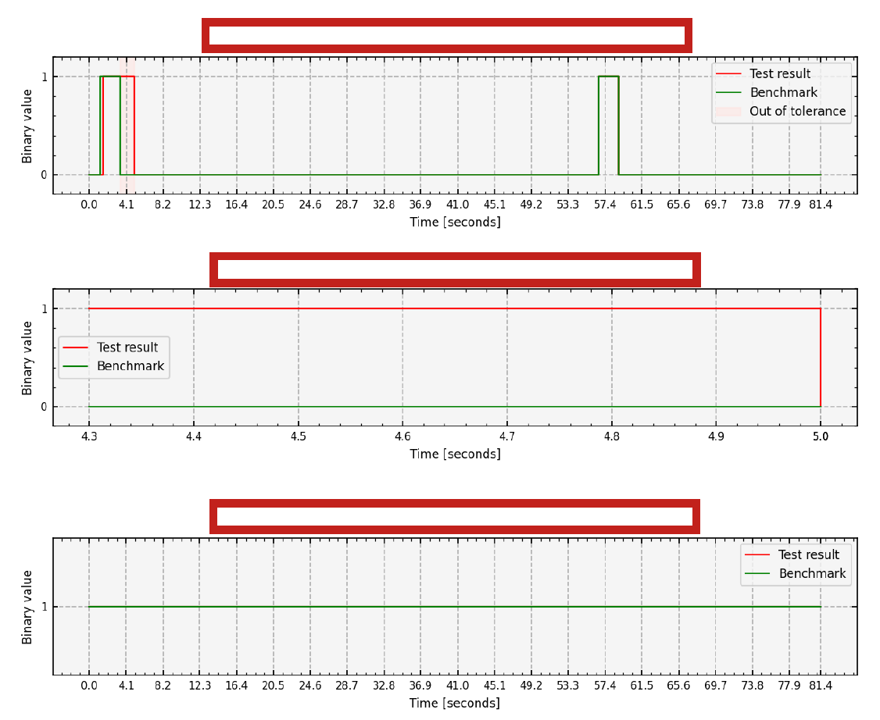
ATRE SW works by importing newly collected test signals and comparing them against a set of previously validated reference signals. The tool allows users to define specific tolerances, such as value deviation, timing delays, and differences in test scenario lengths. Once configured, the application automatically identifies and highlights discrepancies that fall outside these defined thresholds.
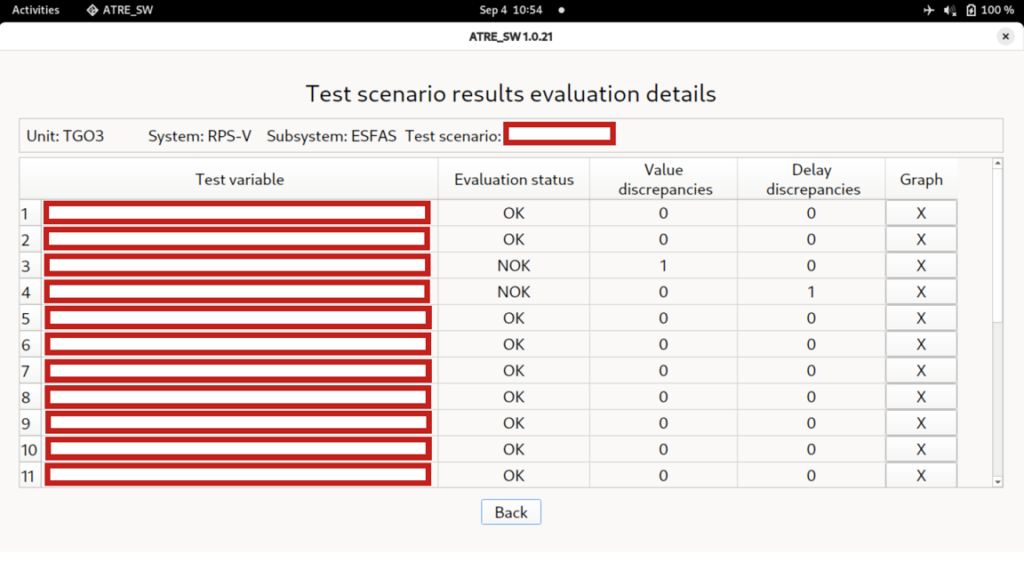
Beyond signal comparison, ATRE SW incorporates important features for data integrity and cybersecurity. It performs checks for potential manipulation of data and scans for the presence of malicious code — reinforcing its reliability in an environment where trust in software output is non-negotiable.
The tool provides a detailed overview of discrepancies, categorising them by type and enabling users to investigate further through graphical comparisons. It also supports the generation of various PDF reports — whether for individual signals, test scenarios comprising multiple signals, or entire subsystems — streamlining documentation and facilitating comprehensive analysis.
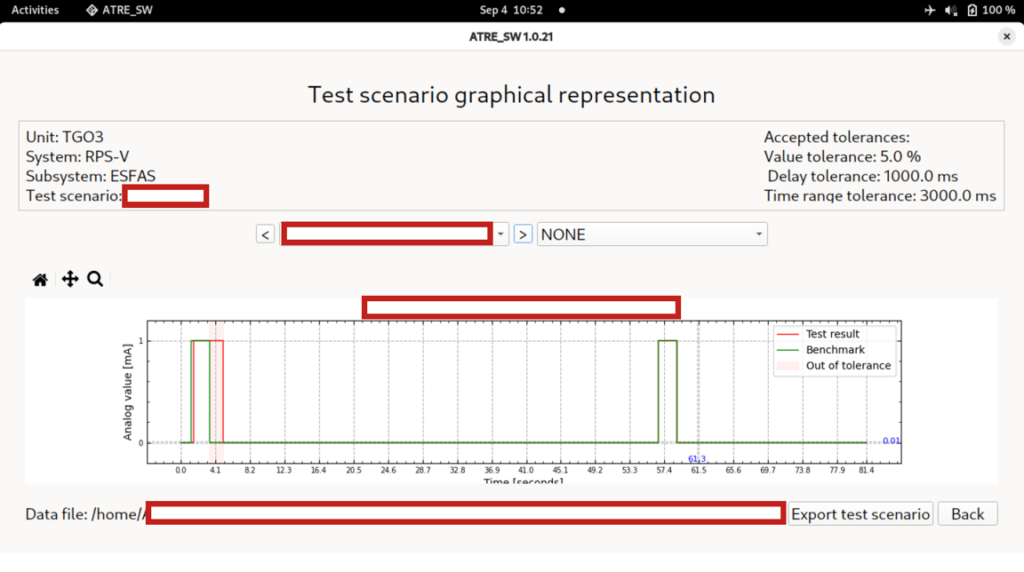
My primary responsibility was to verify that ATRE SW fulfils all specified functional and security requirements. This included:
- Ensuring the correctness of automated evaluations and graphical outputs
- Verifying the robustness of the system against unauthorised manipulation or potential misuse
- Testing the overall reliability and performance of the tool under different conditions
The placement concluded with a commissioning phase, during which the software was installed and configured on the client’s hardware running Linux. This hands-on deployment work bridged the gap between laboratory validation and real-world operation. The final stage involved completing the project documentation — consolidating test results, finalising reports, and ensuring all verification records met the required standards for a safety-critical release.
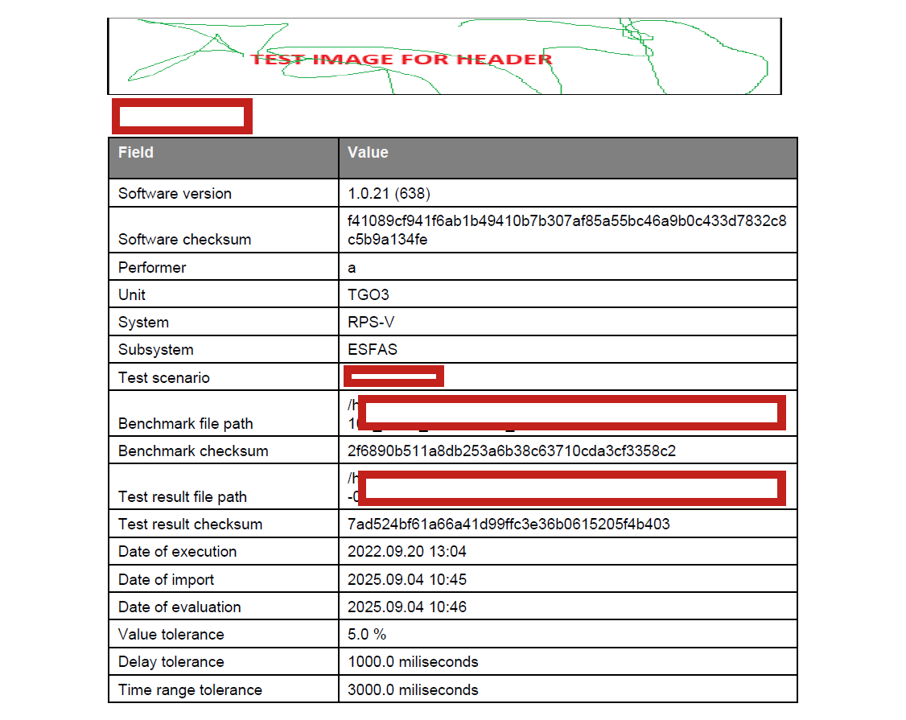
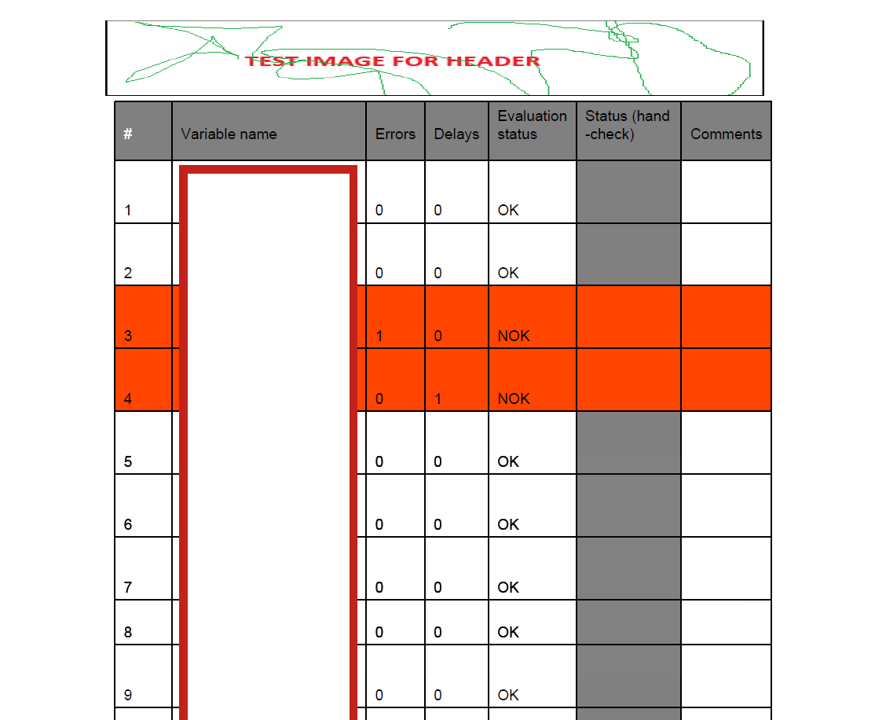
This experience offered valuable insight into the full lifecycle of safety-critical software — from functional validation through to deployment and documentation — and deepened my understanding of what it means to deliver software in one of the most highly regulated industries in the world.
Alongside this work, I gained substantial exposure to TXS systems — the safety-critical platform widely deployed in nuclear environments. Studying the system from both software documentation and hardware perspectives offered a rare end-to-end view of how rigorous engineering standards translate from specification to physical implementation.